How do agents work?
How do agents work?


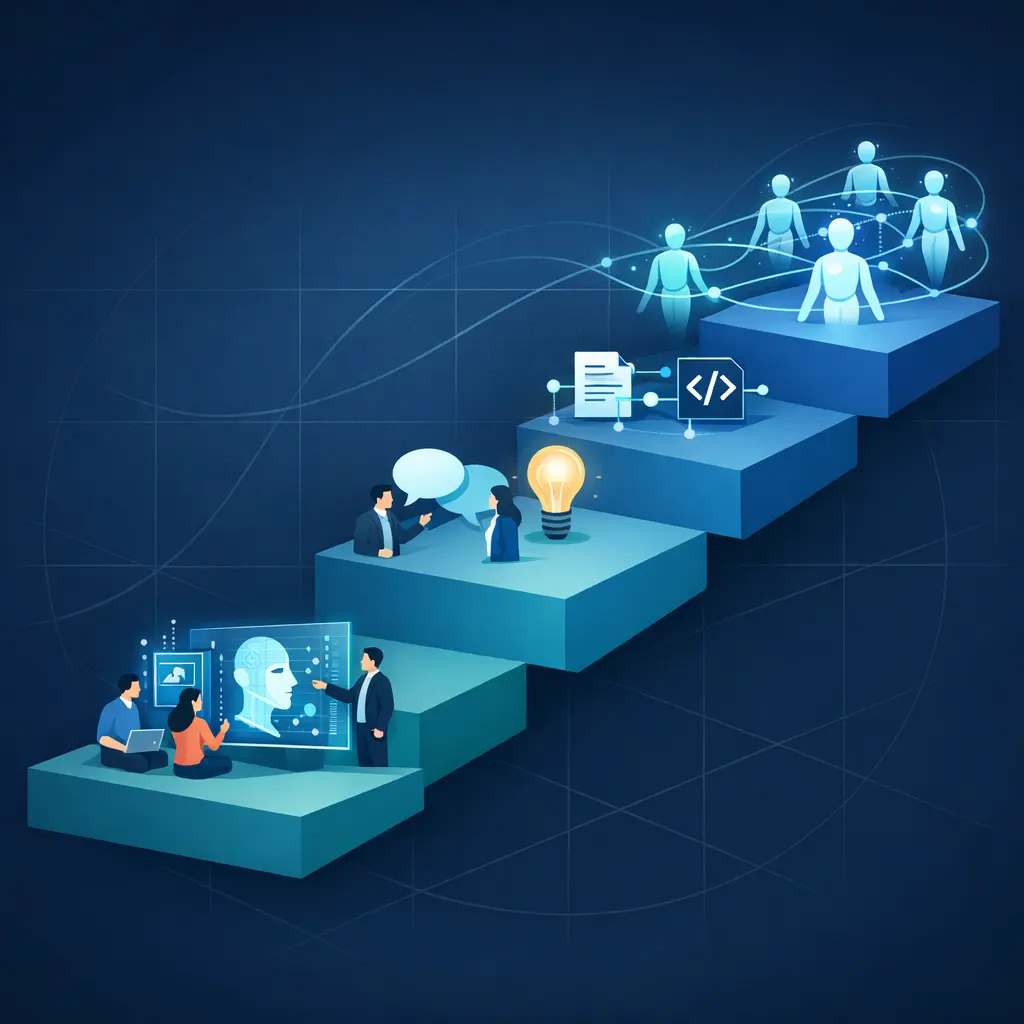
Email agents have gone through three distinct stages of development. They started as simple thread trackers and have grown into AI-powered systems with deep knowledge of your work. Each stage added new abilities and changed how people interact with their inboxes.
Understanding these stages helps you choose the right email agent for your business and set realistic expectations for what it will do.
The first email agents focused on organizing conversations. They grouped related messages into threads, so you saw an entire discussion in one place instead of scattered individual emails.
This was a meaningful improvement over manual sorting. Still, these early agents had strict limits. They tracked message relationships but did not understand content or context. They organized your inbox without knowing what the emails were about.
The second stage added comprehension. Context-aware email agents analyzed the meaning behind messages. They detected urgency, identified action items, and suggested replies based on the content of each email.
These agents also learned from your behavior over time. They adapted to your communication style and preferences. As a result, the inbox experience became personalized to each user. Tasks requiring minutes before now took seconds.
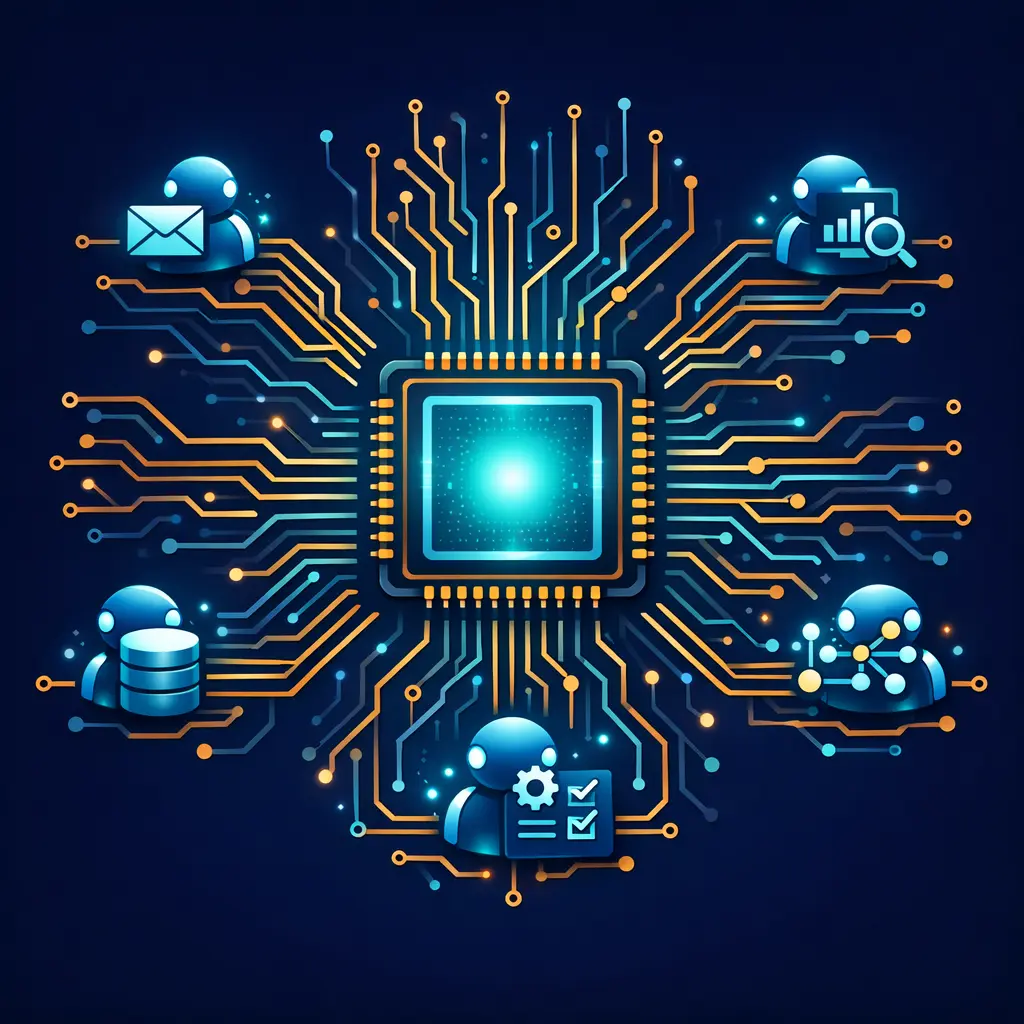
The current stage connects email agents to broader business knowledge. These tools use AI and machine learning to pull data from past conversations, CRM systems, and project management platforms. They then use this data to support your decisions.
For instance, a knowledge-enhanced agent receiving a client email about a delayed shipment automatically pulls the latest logistics data and suggests an informed response. It connects information across systems you would otherwise check manually.
Knowledge-enhanced email agents reduce time spent on routine inbox tasks by 40% to 60% according to early adoption data. They surface insights from long email threads, flag risks, and identify missed follow-ups.
Teams also benefit from shared intelligence across departments. When one department’s email agent learns something relevant to another team, the knowledge transfers automatically. This breaks down information silos without requiring extra meetings or reports.
Future email agents will draft complete responses, predict your needs before you ask, and integrate with voice and video communication tools. Advances in natural language processing and machine learning will drive these improvements.
At the same time, privacy and security standards need to keep pace. As email agents access more business data, your organization needs clear governance rules for what they access and how they use it. Companies investing in both the technology and the governance framework will get the most value from the next generation of email agents.
How does Use Your AI deploy AI for any organisation in days?