


AI agents are no longer simple automation tools. They have grown into systems running complex operations across entire organizations. For executives, understanding this evolution is the difference between leading your market and falling behind.
This guide breaks down how AI agents progressed, what they do today, and how you put them to work in your organization.
Five years ago, AI agents sorted emails and scheduled meetings. Today, they manage entire workflows. They analyze data, generate reports, coordinate across departments, and flag decisions needing your attention.
This shift happened because of advances in machine learning and natural language processing. Modern AI agents understand context, learn from patterns, and adapt to your preferences. As a result, they handle tasks once requiring a full support team.
The first AI agents lived inside your inbox. They tracked threads, sorted messages, and flagged priorities. Useful, but narrow.
Today’s AI agents connect across your entire tech stack. They pull data from your CRM, project management tools, and analytics platforms. For instance, when a key client sends an email about a stalled project, the agent surfaces the latest project timeline, budget status, and team availability before you even open the message.
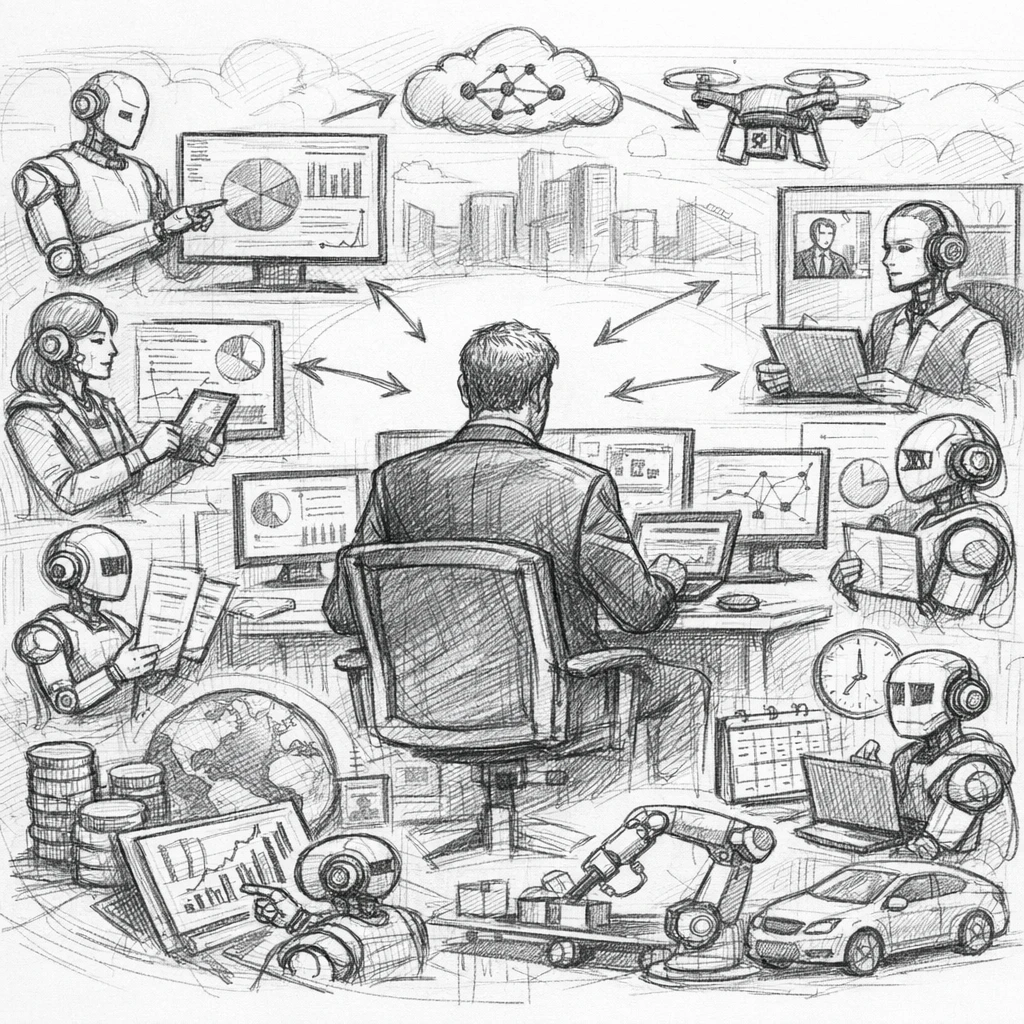
AI orchestration means multiple agents working on different tasks at the same time, coordinated through a central system. One agent monitors your sales pipeline. Another tracks customer support metrics. A third watches for supply chain disruptions.
All of them share information in real-time. When one agent detects something requiring action, it alerts the others and notifies you with a recommended response. This coordinated approach saves hours of manual monitoring and reduces the risk of missed signals.
The AI tool market is crowded. Not every product fits your needs. Start by identifying your three biggest operational bottlenecks. Then look for AI agents designed specifically to address those problems.
Ask vendors for case studies from your industry. Request a trial period to test the tool with real data. Involve your team in the evaluation. The best AI agent is the one your people will use consistently, not the one with the longest feature list.
Executives who invest time in understanding AI agent evolution make better purchasing decisions, set realistic expectations, and get faster returns on their AI investments.
How does Use Your AI deploy AI for any organisation in days?